How Petrol Price is Calculated in Pakistan: The Anatomy of 1 Litre
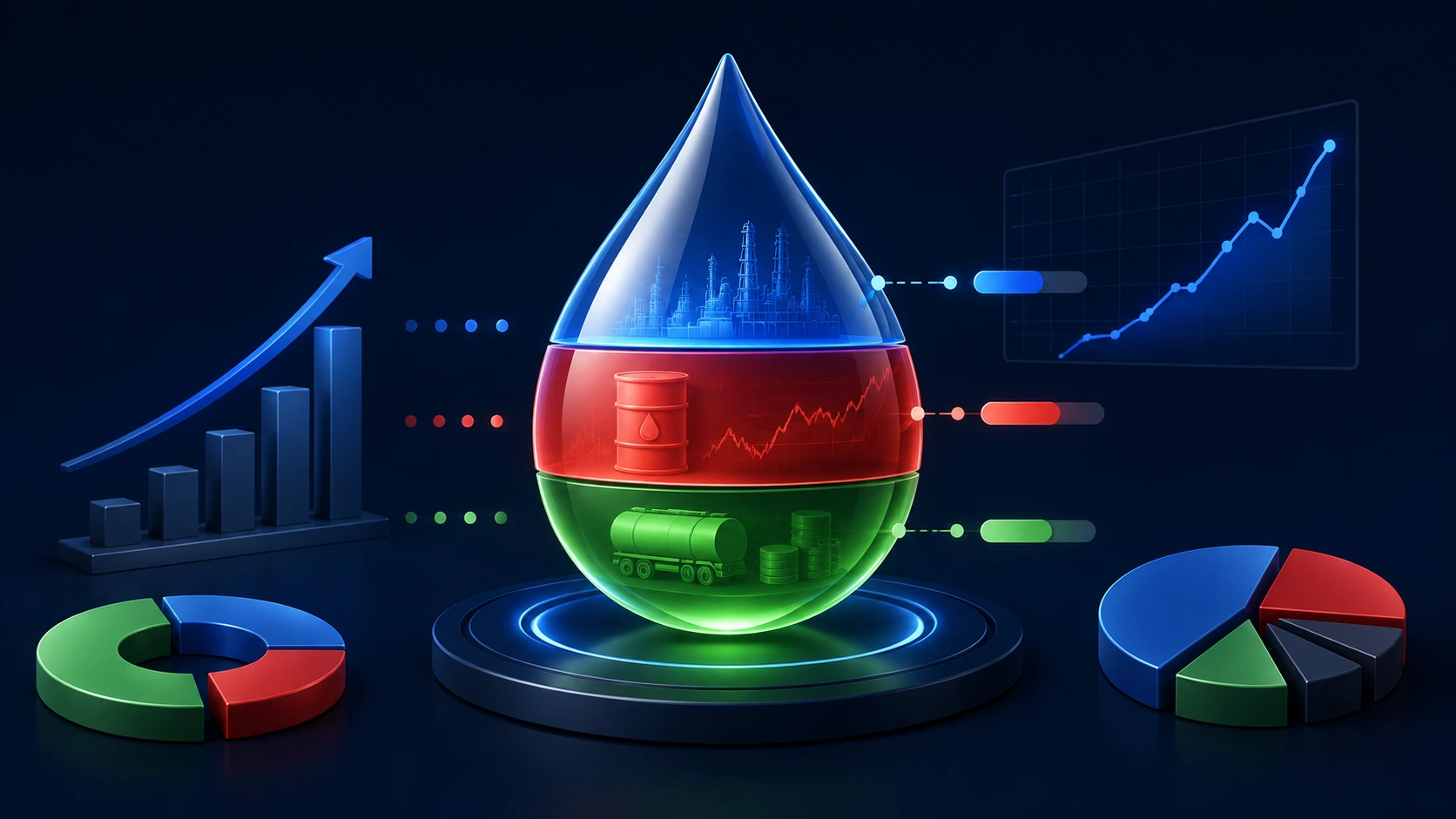
- Ex-Refinery Base (~66%): Tied directly to Platts Arab Gulf FOB averages and SBP exchange rates.
- Petroleum Levy (~25%): Fixed statutory revenue contributing to federal budgetary targets.
- Equalization (IFEM): Centralized freight pool standardizes consumer pump prices across all provinces.
ISLAMABAD, Aug 24 (Energy Desk) — When motorists fill up vehicles across Pakistan, the official retail price per litre notified by the Oil & Gas Regulatory Authority (OGRA) reflects a rigid 6-part pricing formula. The retail rate combines global cargo import benchmarks, statutory fiscal levies, inland logistics equalization, and regulated distributor margins.
Import Parity & Foreign Exchange Exposure
The ex-refinery price remains the primary variable in the tariff stack. Formulated through the Import Parity Price (IPP) structure, it reflects the fortnightly average of refined motor gasoline cargoes published by Platts for Arab Gulf loadings. Because import settlements require foreign currency, retail rates react directly to the State Bank of Pakistan (SBP) interbank exchange parity. Motorists calculating their monthly fuel overhead can cross-reference these rates using our interactive commute cost calculator.
The Petroleum Development Levy (PDL) Mechanism
The Petroleum Development Levy is a direct statutory fiscal charge applied per litre under federal finance legislation. With General Sales Tax (GST) maintained at 0% to prevent value-added tax compounding, the PDL provides an insulated fiscal revenue stream collected directly at the dispatch gate. Premium fuel blends like deregulated HOBC follow separate pricing dynamics—read our technical breakdown on High-Octane (RON 97) vs Regular Petrol (RON 92) blending ratios to see which engines actually require premium fuel.
Equalizing Geography Through IFEM
Without a regulatory equalization fund, upcountry metropolitan centers such as Lahore and Islamabad would incur significant price premiums over coastal terminals in Karachi due to 1,500 km of road tanker transit. For heavy transport and logistics fleets, see our complete breakdown on the High-Speed Diesel Portal.
6 thoughts on “”